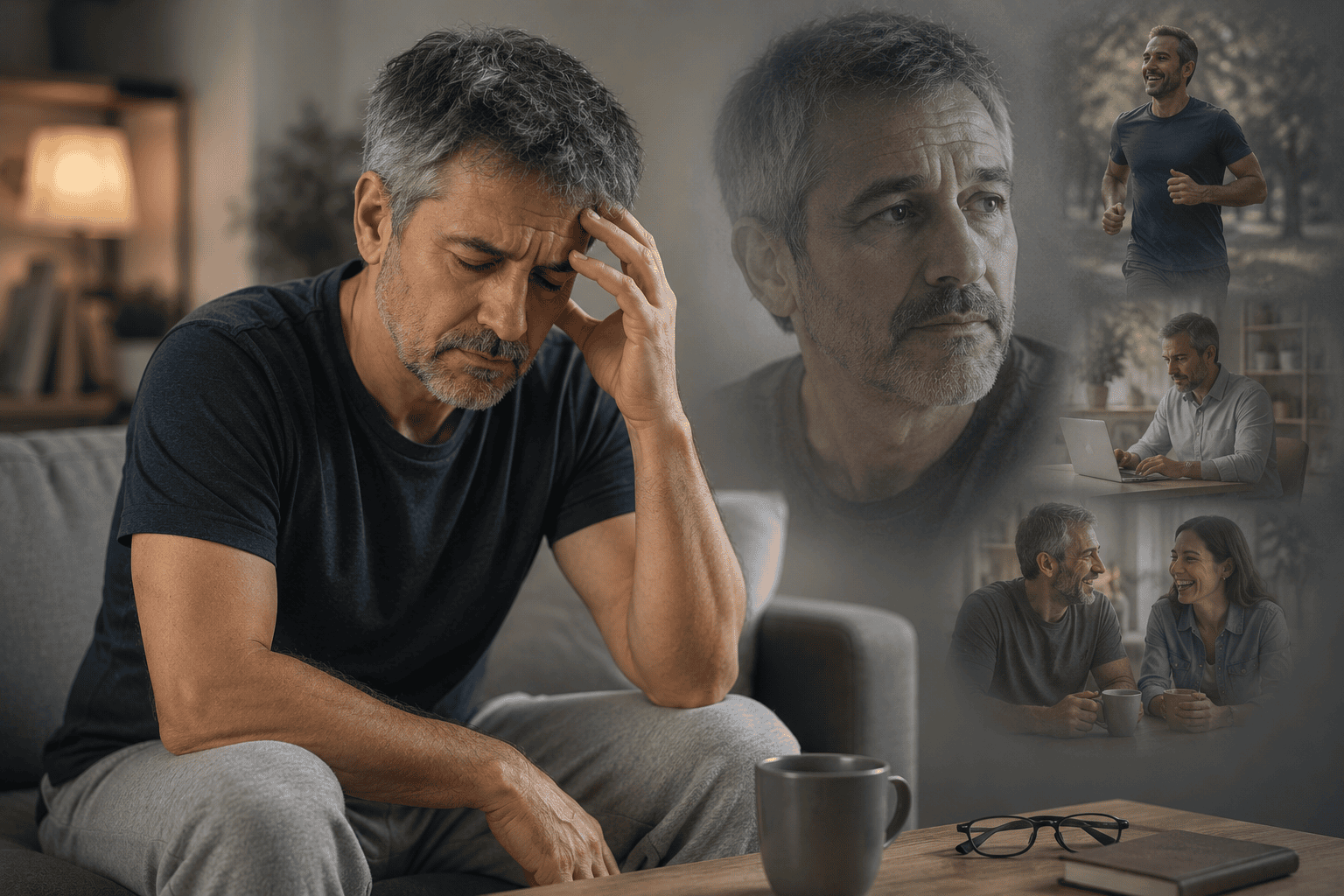
Have you ever looked in the mirror or struggled through your daily routine and wondered, “Why do I feel older than my age?“ You’re not alone. Many people in their 40s, 50s and beyond notice that they don’t feel as energetic, motivated or physically capable as they once did. While ageing naturally brings changes, feeling significantly older than your actual age isn’t something you should simply accept without exploring the reasons behind it.
The good news is that feeling older often has less to do with the number of birthdays you’ve celebrated and more to do with lifestyle, physical health and emotional wellbeing. Understanding what’s contributing to these changes can help you take positive steps towards feeling healthier and more energised.
At LiveBeyond100Years, we believe healthy ageing starts with understanding your body and making realistic changes that support long-term wellbeing rather than chasing quick fixes.
Age Is More Than Just a Number
Chronological age tells you how many years you’ve lived, but it doesn’t always reflect how healthy or active you are.
Two people of the same age can have completely different levels of fitness, energy and mobility. One person may comfortably hike every weekend, while another struggles with everyday activities such as climbing stairs or carrying shopping.
Your lifestyle, sleep, nutrition, stress levels, medical history and physical activity all play a role in how old you feel on a daily basis.
Rather than focusing solely on age, it’s more useful to consider the factors that influence your overall quality of life.
Common Reasons You May Feel Older Than Your Age
There is rarely one single explanation.
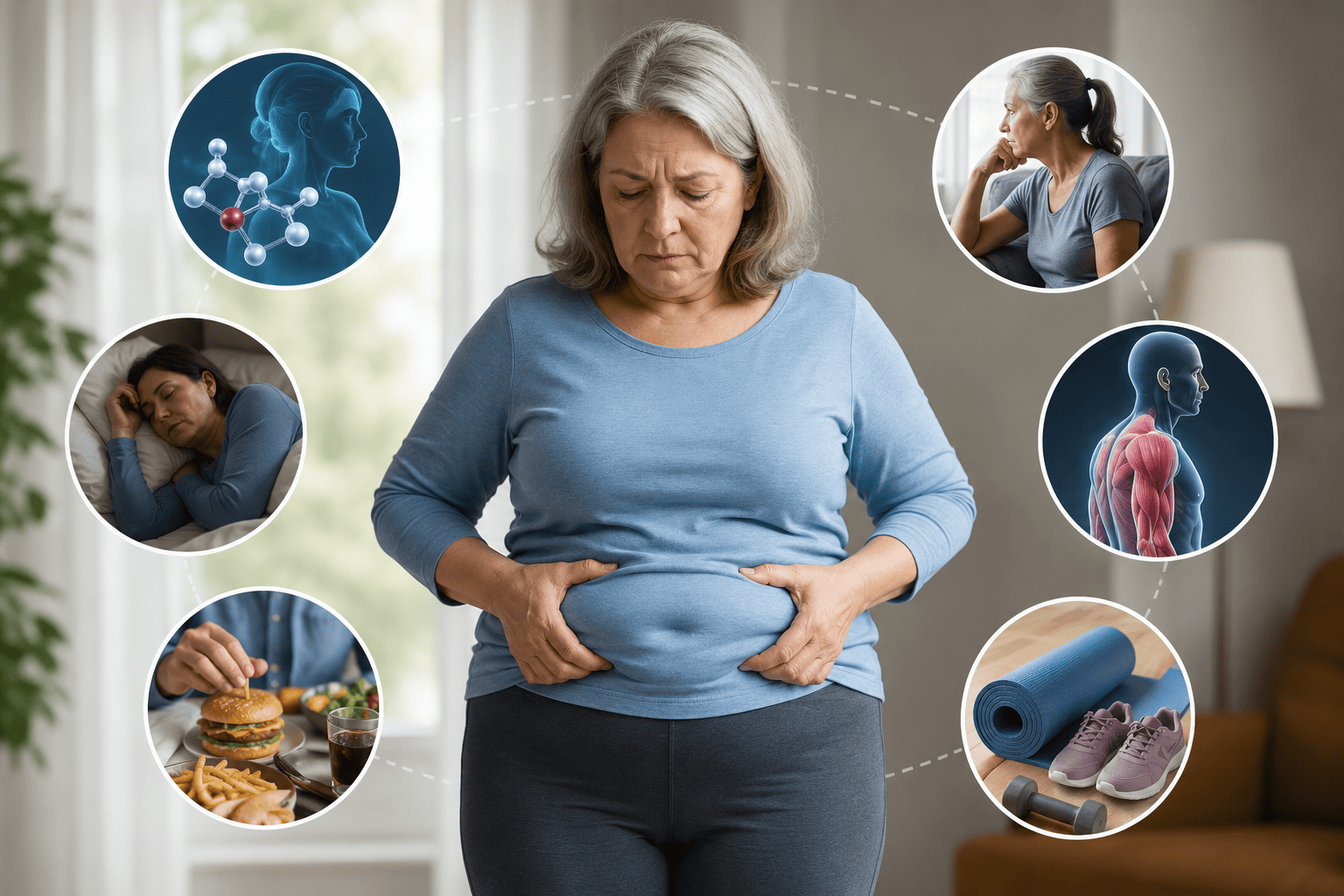
Often, several small lifestyle factors gradually combine over time, making everyday life feel more physically and mentally demanding.
Common reasons include:
- Poor sleep that leaves you feeling tired even after a full night’s rest.
- Spending long periods sitting with very little regular physical activity.
- Ongoing stress or anxiety affecting both physical and emotional wellbeing.
- Poor nutrition that doesn’t provide the body with essential nutrients.
- Undiagnosed medical conditions that contribute to fatigue, pain or reduced mobility.
Because many of these factors are manageable, identifying the underlying cause is an important first step towards feeling better.
Why Modern Life Can Make You Feel Older?
Today’s lifestyles are often far less active than previous generations.
Many people spend most of the day sitting at a desk, commuting by car and relaxing in front of screens during the evening. Over time, reduced movement contributes to weaker muscles, stiffer joints and lower energy levels.
Stress also plays a significant role. Balancing careers, financial responsibilities, caring for family members and maintaining relationships can leave little time for personal wellbeing.
The combination of physical inactivity and chronic stress often creates a cycle where people feel increasingly exhausted, making it even harder to prioritise healthy habits.
Small Changes Can Make a Big Difference
One of the biggest misconceptions about healthy ageing is that dramatic lifestyle changes are required.
In reality, small, consistent improvements often produce the greatest long-term benefits.
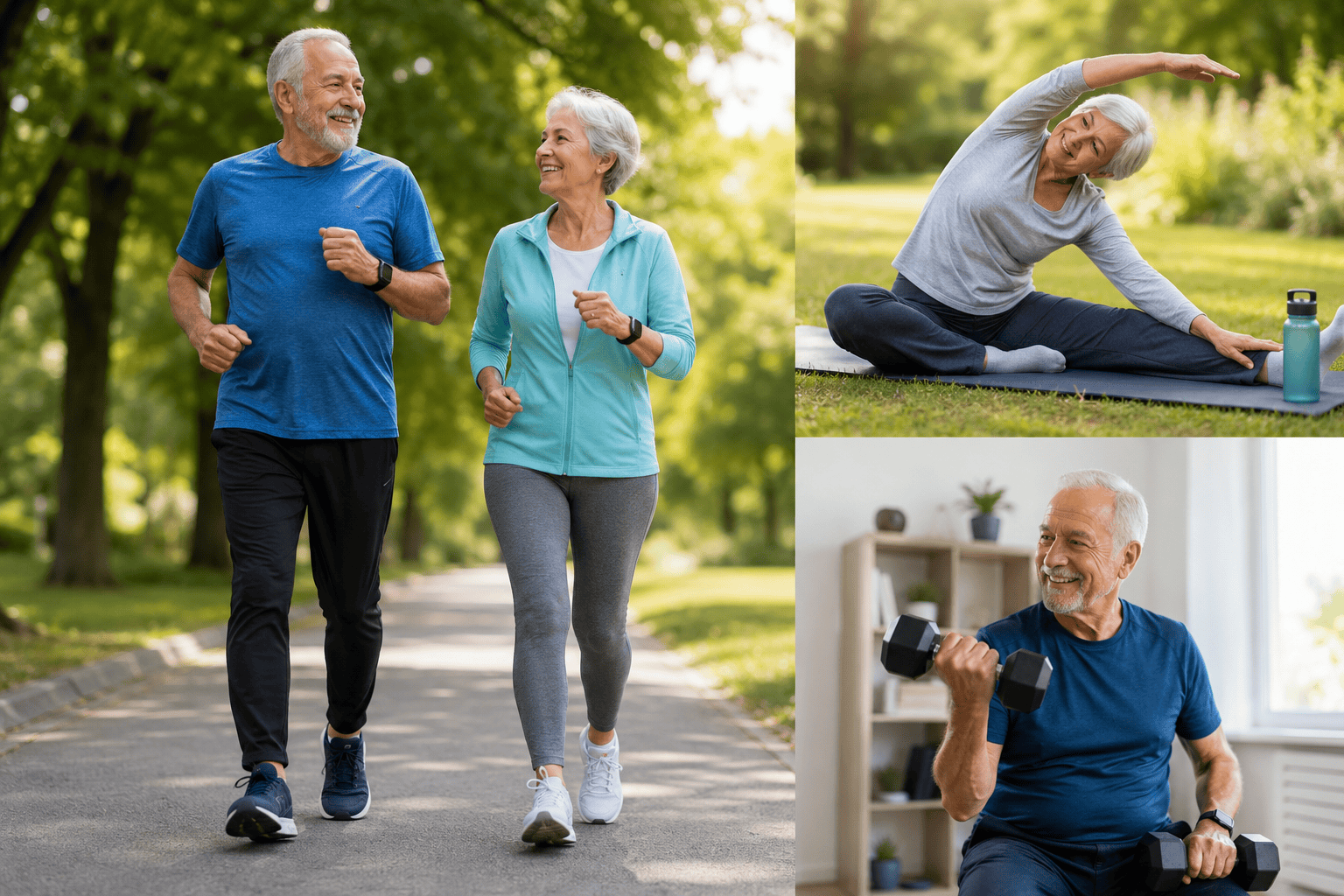
For many people, introducing a daily walk, improving sleep habits or adding strength exercises twice a week can gradually improve energy, mobility and confidence.
Healthy ageing is rarely about perfection. It’s about building habits that are realistic enough to maintain over time.
Looking Beyond Physical Health
Feeling older isn’t always caused by physical changes alone.
Mental wellbeing has a powerful influence on how energetic and motivated we feel.
Loneliness, prolonged stress, anxiety or low mood can reduce motivation to stay active, prepare healthy meals or socialise with others. This can eventually affect both emotional and physical health.
Taking care of mental wellbeing is therefore just as important as looking after your body.
Activities such as spending time outdoors, connecting with friends, practising mindfulness or engaging in enjoyable hobbies all contribute to healthier ageing.
Daily Habits That Support Healthy Ageing
Improving how you feel often begins with small everyday decisions.
Healthy habits that can make a positive difference include:
- Walking or completing another enjoyable form of physical activity most days.
- Eating balanced meals with adequate protein, vegetables and whole grains.
- Prioritising seven to nine hours of quality sleep where possible.
- Staying socially connected with friends, family or community groups.
- Scheduling regular health check-ups to discuss any ongoing concerns.
These habits support not only physical health but also emotional wellbeing and long-term independence.
A Real-Life Example
A 54-year-old business owner began feeling significantly older than friends of the same age. Everyday activities became tiring, motivation declined and weekends were often spent recovering from the working week.
Rather than accepting this as an unavoidable part of ageing, they introduced several manageable changes. Morning walks replaced scrolling through their phone, processed snacks were gradually replaced with healthier alternatives and two weekly strength-training sessions became part of their routine.
After several months, they reported sleeping better, feeling more energetic and regaining confidence in their physical abilities.
Although everyone’s journey is different, this example highlights how consistent lifestyle improvements often influence how old we feel.
When Feeling Older Could Signal a Health Concern
Sometimes persistent fatigue or reduced energy isn’t simply related to ageing.
Conditions such as thyroid disorders, vitamin deficiencies, diabetes, sleep apnoea or certain heart conditions can all contribute to ongoing tiredness or muscle weakness.
If you’ve noticed sudden changes, persistent exhaustion, unexplained weight loss or symptoms that continue despite improving your lifestyle, it’s important to seek medical advice.
Early assessment may identify treatable conditions that would otherwise continue affecting your wellbeing.
Healthy Ageing Is About Living Well
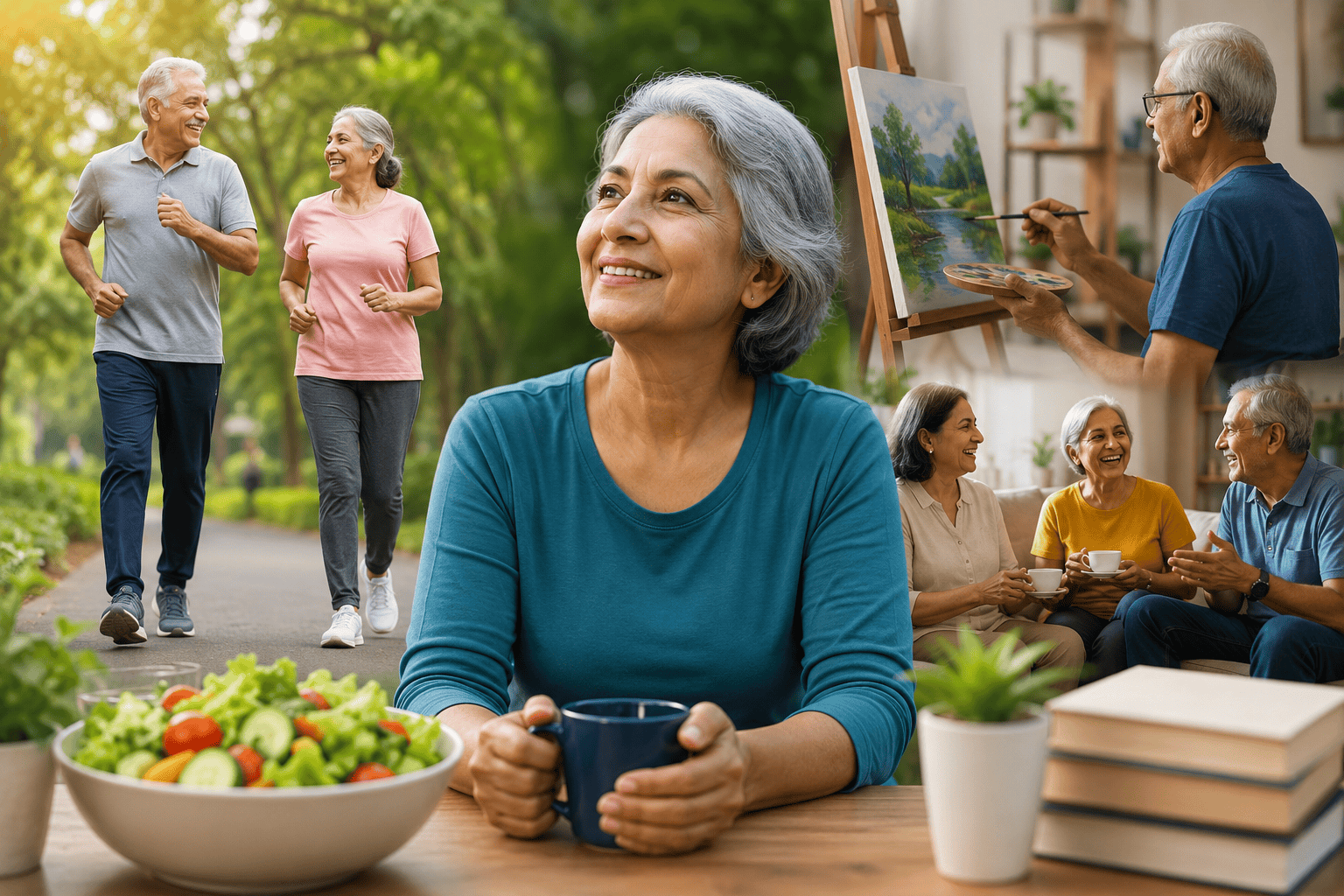
Growing older doesn’t automatically mean giving up the activities you enjoy.
Many adults remain active, independent and physically capable well into later life because they prioritise movement, nutrition, sleep and preventive healthcare.
Healthy ageing focuses on maintaining the ability to live independently, enjoy meaningful relationships and continue participating in everyday life with confidence.
At LiveBeyond100Years, our goal is to help people make informed choices that support better health at every stage of life. Feeling younger isn’t about reversing time—it’s about giving your body the best opportunity to thrive as you age.
Frequently Asked Questions?
Is it normal to feel older than your age?
Some changes in energy and physical ability occur naturally with age, but persistent fatigue or reduced mobility should not automatically be accepted as normal.
Why do I feel exhausted all the time?
Poor sleep, stress, inactivity, nutritional deficiencies and certain medical conditions can all contribute to ongoing tiredness.
Can lifestyle changes really make a difference?
Yes. Regular exercise, balanced nutrition, quality sleep and stress management have all been shown to improve overall wellbeing and energy levels.
When should I speak to a healthcare professional?
If symptoms develop suddenly, become progressively worse or interfere with everyday life, it’s advisable to seek professional medical advice.
Can healthy ageing help me feel younger?
Healthy ageing doesn’t stop the ageing process, but it can improve strength, mobility, energy and overall quality of life.