For many adults, walking is the go-to exercise after 50. It’s simple, accessible, low-impact, and often recommended by health professionals. If you’re trying to stay active, improve your health, or support longevity, walking is certainly a great place to start.
However, there’s a common misconception that walking alone is enough to maintain health and independence as we age.
The reality is that while walking offers many benefits, it doesn’t address all the physical changes that occur after 50. If your goal is healthy ageing after 50, relying solely on daily walks may leave important gaps in your fitness routine.
Understanding those gaps can help you build a stronger, healthier, and more active future.
Walking Is Good – But It Has Its Limits
There’s no question that walking supports cardiovascular health, improves circulation, boosts mood, and encourages regular movement.
Many people who start walking consistently notice improvements in energy levels, mental wellbeing, and general fitness.
But healthy ageing requires more than maintaining cardiovascular fitness.
As we get older, our bodies naturally experience changes in muscle mass, strength, balance, flexibility, and mobility. Walking helps with some of these areas, but it doesn’t fully address them.
This is where many adults unknowingly fall behind.
The Missing Piece: Muscle Strength
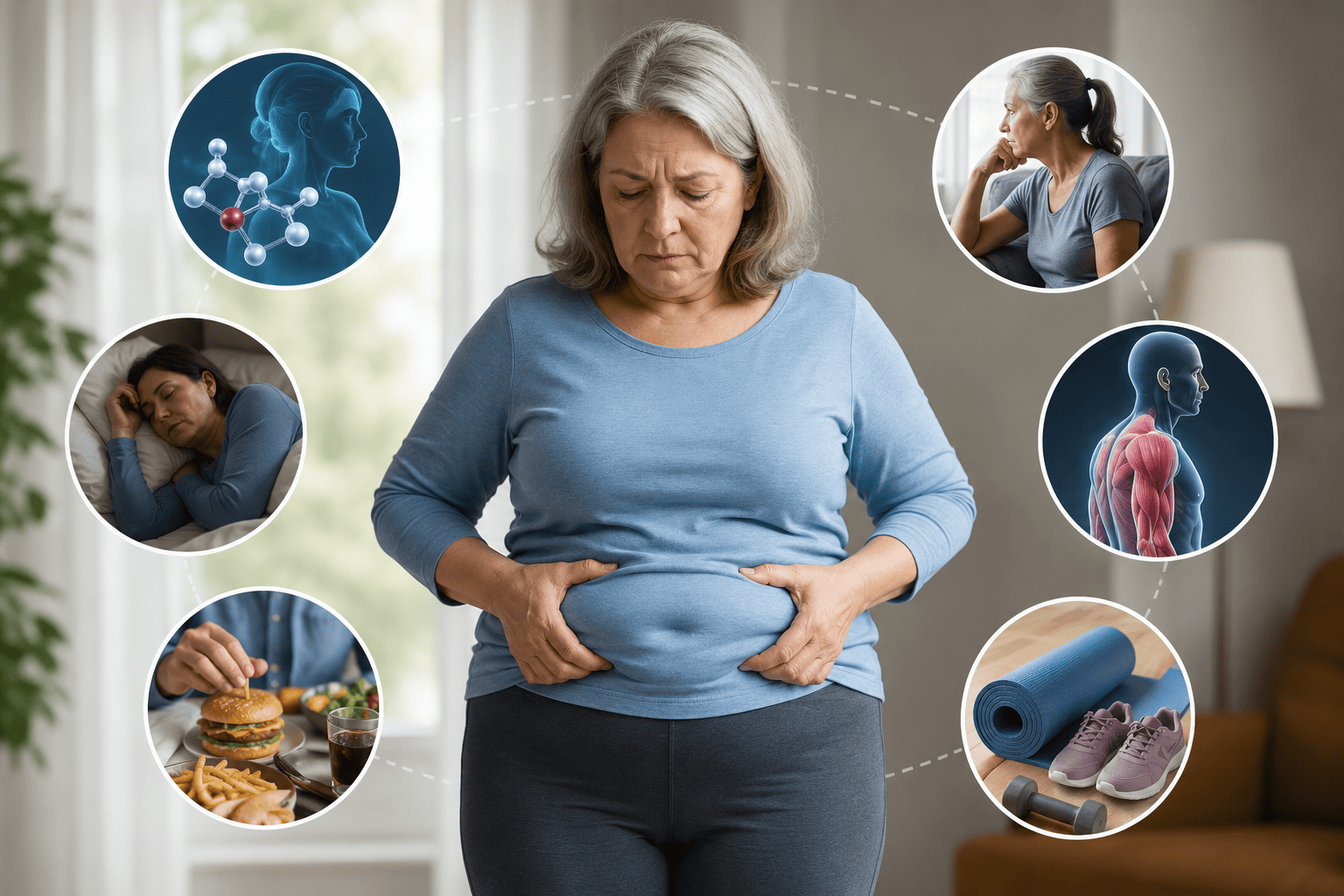
One of the biggest challenges associated with ageing is the gradual loss of muscle mass.
After 50, muscle decline accelerates, making everyday activities more difficult over time. Carrying groceries, climbing stairs, getting up from a chair, and maintaining balance all rely heavily on muscle strength.
While walking uses certain muscles, it generally doesn’t provide enough resistance to significantly build or maintain strength.
Without strength-focused activities, muscle loss can continue even if you’re walking every day.
Why Mobility Matters Just As Much As Fitness?
Have you ever noticed that some people remain active well into their later years while others become increasingly limited by stiffness and movement difficulties?
The difference often comes down to mobility.
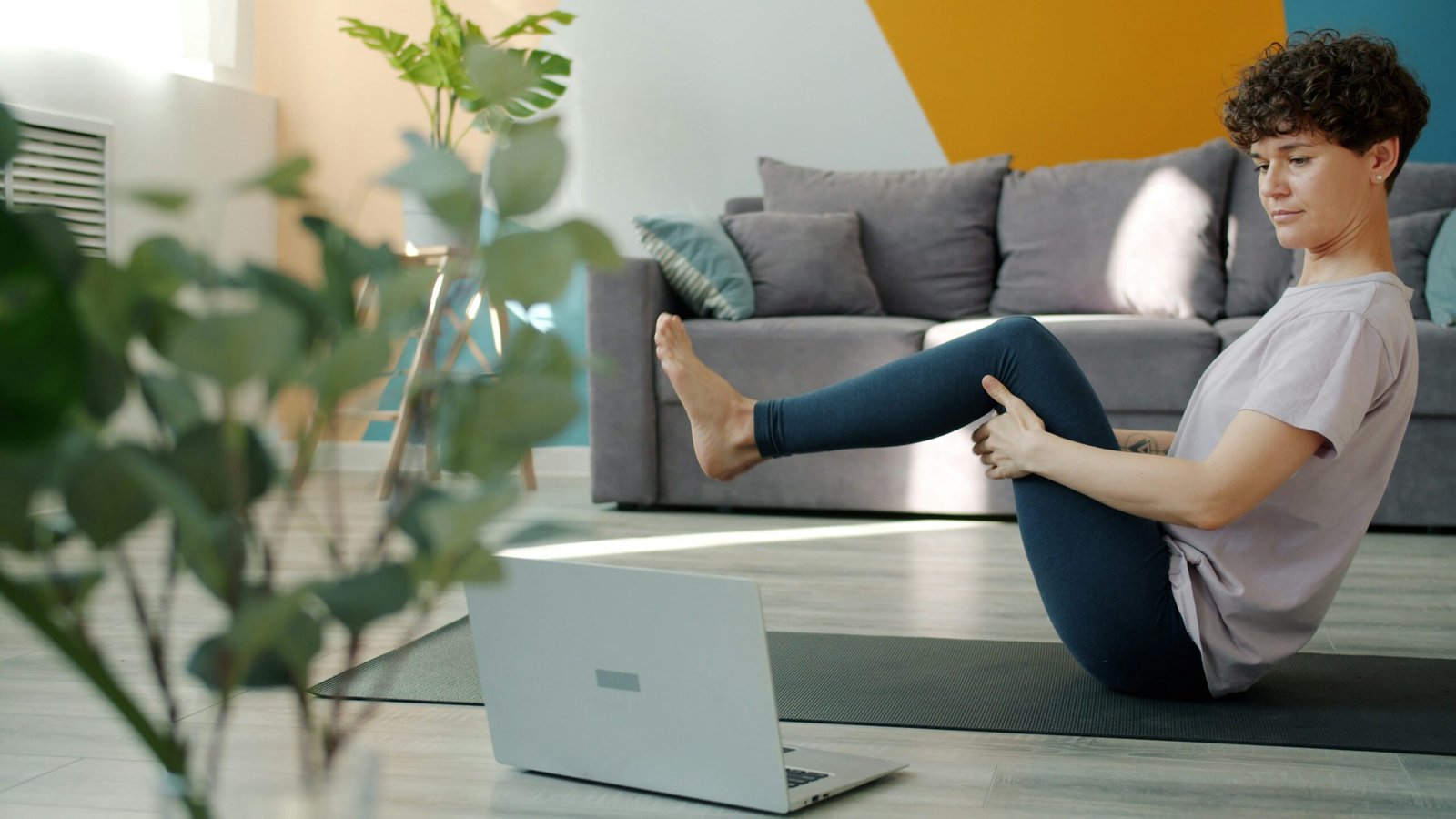
Mobility refers to how well your joints and muscles move through their full range of motion. It affects posture, balance, coordination, and overall movement quality.
Walking involves repetitive movement in a relatively limited range. It doesn’t always improve flexibility or joint function.
Including strength and mobility exercises can help maintain movement quality, reduce stiffness, and support long-term independence.
Balance Is Essential For Active Ageing:
One area that walking alone often fails to address is balance.
Balance naturally declines with age, increasing the risk of falls and injuries.
A daily walk may improve confidence and endurance, but it doesn’t necessarily challenge balance in a way that helps prevent age-related decline.
Exercises that focus on coordination, stability, and lower-body strength are often necessary to support safer movement and reduce fall risk.
Fitness Over 50 Requires Variety
Think of your body like a car.
Walking keeps the engine running, but other components also need regular maintenance. Ignoring strength, flexibility, balance, and mobility can eventually affect overall performance.
True fitness over 50 involves a combination of:
- Cardiovascular activity
- Strength training
- Mobility work
- Balance exercises
- Recovery and flexibility training
When these elements work together, they create a stronger foundation for healthy ageing.
Walking For Longevity Is Only Part Of The Equation
There is strong evidence that regular walking supports longevity and overall health.
In fact, walking remains one of the most beneficial forms of physical activity available.
The issue isn’t that walking is ineffective. The issue is that many people rely on it exclusively.
If your goal is to remain active, independent, and physically capable as you age, walking should be viewed as one piece of a larger healthy ageing strategy.
Combining walking with strength and mobility work often produces far better long-term outcomes.
What A Well-Rounded Routine Looks Like:
You don’t need to spend hours in the gym to age well.
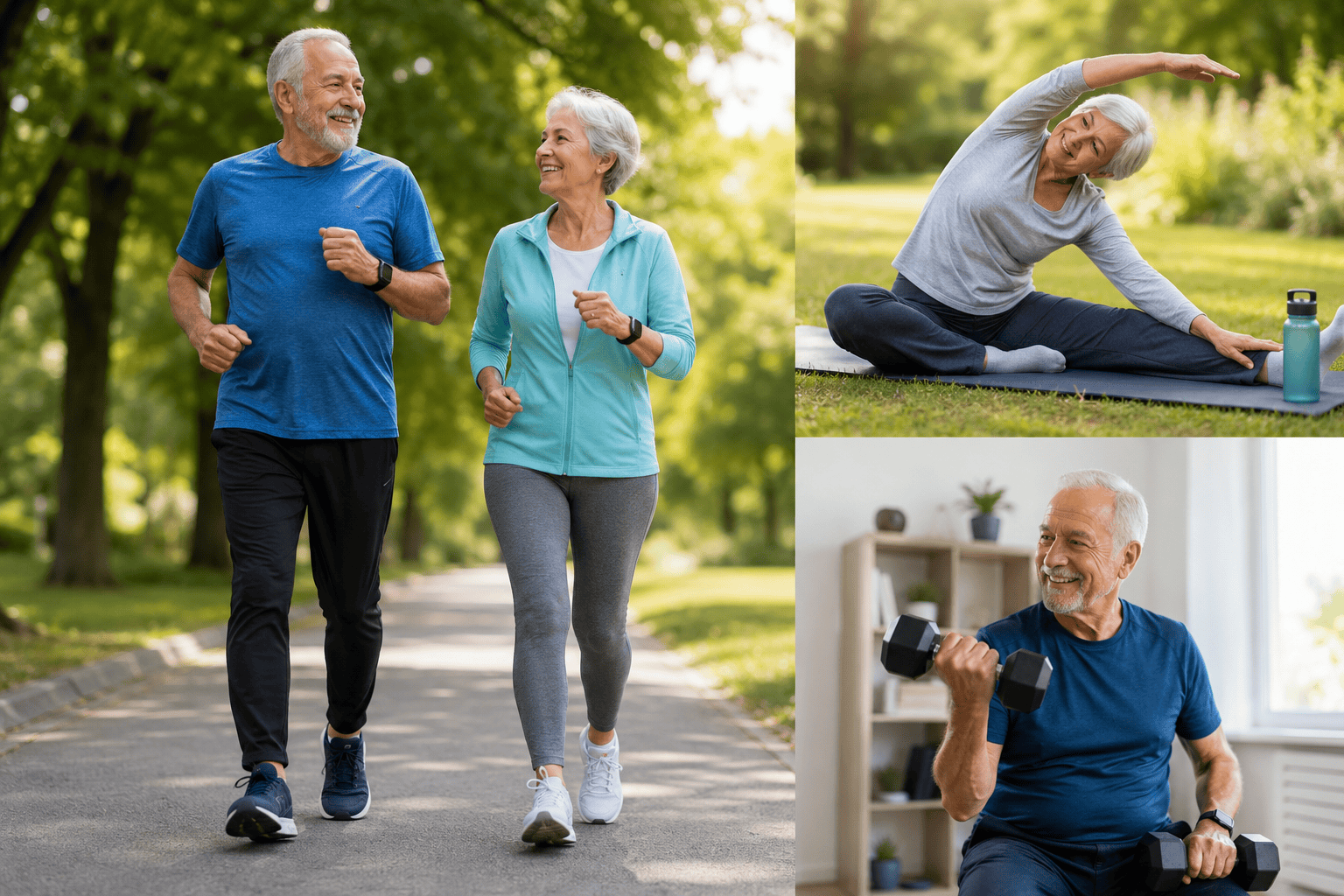
A balanced routine might include:
- Regular walking for cardiovascular health
- Strength exercises two to three times per week
- Mobility movements to improve flexibility
- Balance training to reduce fall risk
- Recovery activities such as stretching
Even small additions to your current routine can make a meaningful difference over time.
The goal isn’t perfection. It’s consistent.
The Difference Between Living Longer And Living Better:
Many people focus solely on lifespan, but healthy ageing is also about healthspan.
Healthspan refers to the number of years you remain active, independent, and capable of doing the things you enjoy.
Being able to travel, play with grandchildren, participate in hobbies, and maintain confidence in your movement often depends on more than cardiovascular fitness alone.
This is why a broader approach to exercise becomes increasingly important after 50.
A Smarter Approach To Ageing Well
At LiveBeyond100, we believe healthy ageing should focus on maintaining strength, mobility, energy, and independence – not simply adding years to life.
Our community is built around evidence-based strategies that help adults move better, feel stronger, and stay active as they age. By combining education, movement guidance, and practical lifestyle support, we help members create sustainable habits that support long-term wellbeing.
Because ageing well isn’t about doing more exercise. It’s about doing the right exercise for the life you want to live.
Conclusion:
Walking remains one of the best activities for overall health and should absolutely be part of your routine.
However, when it comes to healthy ageing after 50, walking alone is rarely enough.
To maintain strength, mobility, balance, and independence, it’s important to include a variety of activities that support the body’s changing needs.
By combining walking for longevity with strength and mobility exercises, you can build a more complete approach to active ageing and improve your ability to stay healthy, capable, and confident for years to come.
If you’re ready to take a more comprehensive approach to ageing well, the resources and community at LiveBeyond100 can help you get started.
Frequently Asked Questions?
Is walking enough exercise after 50?
Walking is excellent for cardiovascular health, but it doesn’t fully address strength, mobility, balance, and flexibility needs.
Why is strength training important after 50?
Strength training helps maintain muscle mass, improve balance, support joint health, and reduce age-related physical decline.
What are strength and mobility exercises?
These are exercises designed to improve muscle strength, joint movement, flexibility, balance, and overall physical function.
Does walking help with longevity?
Yes. Walking is linked to improved cardiovascular health and longevity, but it works best when combined with other forms of exercise.
What does active ageing mean?
Active ageing involves maintaining physical, mental, and social wellbeing to support independence and quality of life as you age.
How often should adults over 50 do strength training?
Most experts recommend at least two strength-training sessions per week alongside regular physical activity.
Can mobility exercises reduce stiffness?
Yes. Mobility exercises help improve joint movement, flexibility, and overall comfort during daily activities.
What is LiveBeyond100?
LiveBeyond100 is a healthy ageing community focused on helping adults improve strength, mobility, fitness, and long-term wellbeing through evidence-based guidance and support.