Have you noticed that carrying shopping bags feels heavier than it used to? Perhaps climbing stairs leaves you more tired, or lifting everyday objects requires more effort than it did a few years ago. If you’re asking yourself, “Why am I losing strength after 50?“, you’re certainly not alone.
Many adults begin to notice gradual changes in their physical strength during their 50s. While some decline is a natural part of ageing, significant muscle weakness isn’t something you should simply accept. Understanding why these changes happen and taking positive steps early can help you maintain independence, improve mobility and continue enjoying the activities you love.
At LiveBeyond100Years, we believe healthy ageing isn’t about avoiding birthdays-it’s about giving your body the support it needs to remain strong, active and resilient throughout later life.
Why Does Strength Decline After 50?
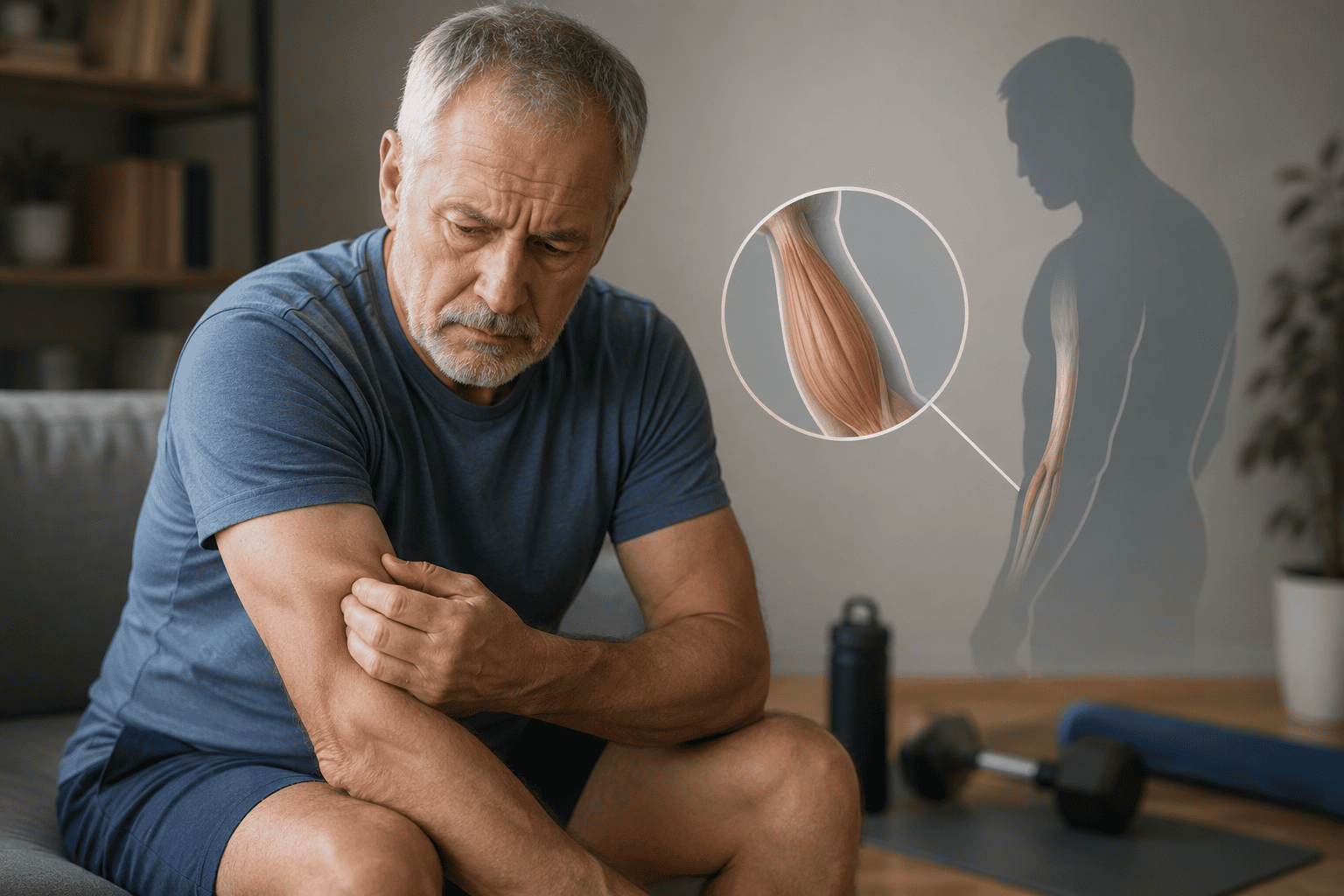
One of the biggest reasons for declining strength is the gradual loss of muscle mass, a process known medically as sarcopenia. Beginning as early as your 30s, muscle tissue naturally starts to decrease, but the process often becomes more noticeable after the age of 50.
This doesn’t mean your body suddenly stops working properly. Instead, several natural changes begin to influence how efficiently your muscles function.
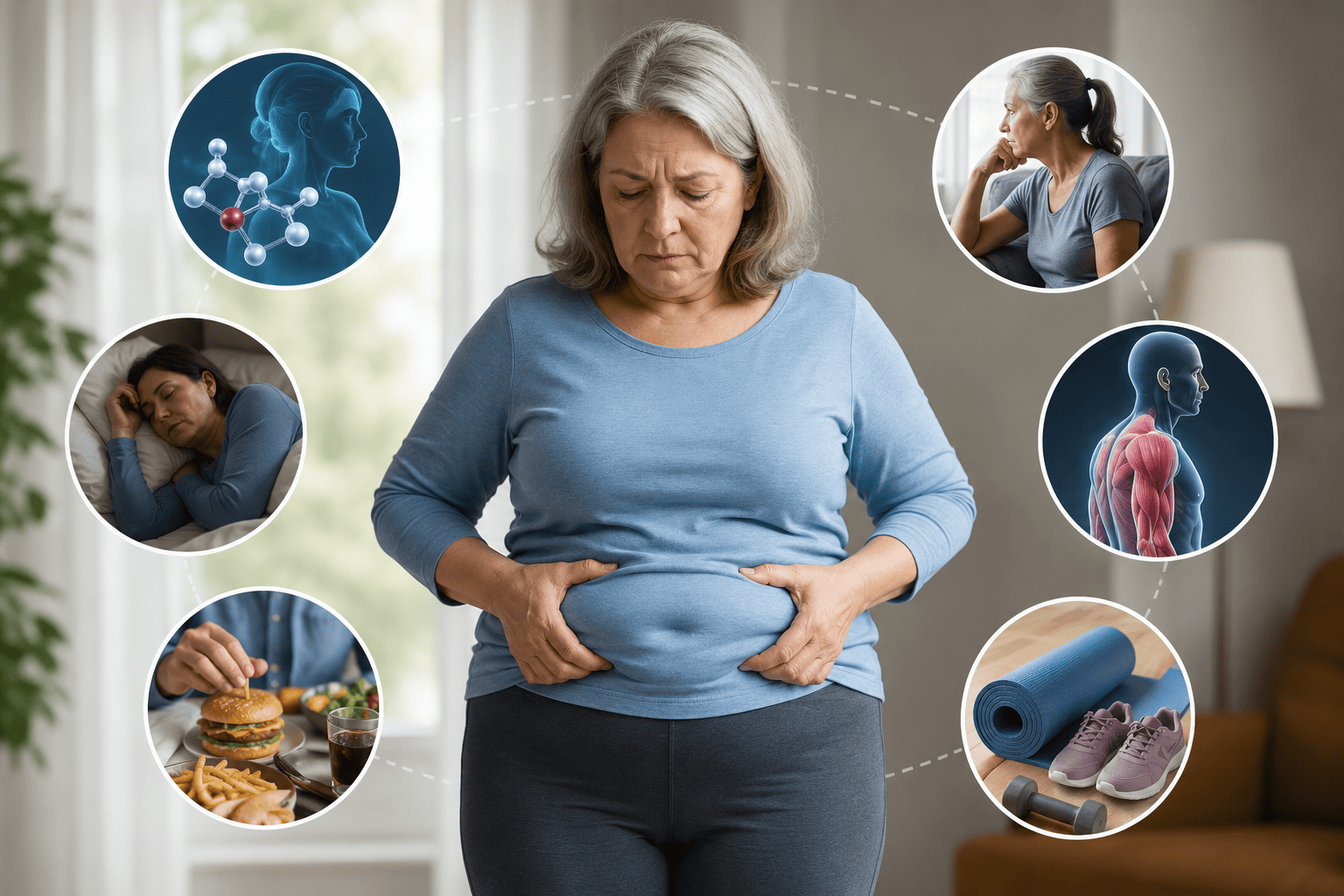
Hormonal changes, reduced physical activity, slower muscle recovery and lower protein synthesis all contribute to declining muscle strength. If these changes are combined with a sedentary lifestyle, muscle loss can happen more quickly.
The encouraging news is that muscle tissue remains adaptable throughout life. Even people in their 60s, 70s and beyond can improve strength with the right approach.
Signs You May Be Losing Strength
Strength loss often develops gradually, making it easy to overlook at first.
You may notice that activities which once felt effortless now require more energy. Small everyday tasks often provide the earliest clues.
Common signs include:
- Finding it harder to lift or carry everyday objects.
- Feeling less stable when walking or climbing stairs.
- Reduced grip strength when opening jars or carrying bags.
- Taking longer to recover after physical activity.
- Feeling more fatigued despite completing familiar daily tasks.
These symptoms don’t automatically indicate a serious medical condition, but persistent or rapidly worsening weakness should always be discussed with a qualified healthcare professional.
Why Muscle Matters More Than Appearance?
Many people associate muscles with athletic performance or appearance, but muscle plays a much bigger role in healthy ageing.
Strong muscles help protect your joints, improve balance, support posture and reduce the risk of falls. They also contribute to healthy metabolism, making it easier for your body to regulate blood sugar and maintain a healthy weight.
Maintaining muscle strength also supports independence. Everyday activities such as getting out of a chair, carrying shopping, gardening or playing with grandchildren all rely on adequate muscle function.
This is why preserving strength becomes increasingly important as we age.
Is Strength Loss Always Caused by Age?
Age is only one factor.
Several other lifestyle and health-related factors may accelerate muscle weakness, including poor nutrition, prolonged inactivity, certain medical conditions and inadequate sleep.
For example, someone who spends most of the day sitting at a desk and rarely performs resistance exercise may lose strength more quickly than someone who stays physically active throughout the week.
Likewise, recovering from illness or surgery may temporarily reduce muscle mass if activity levels decrease for extended periods.
Understanding the underlying cause is important because many contributing factors can be improved with appropriate lifestyle changes.
How to Maintain Strength After 50?
The good news is that losing strength isn’t inevitable.
Research consistently shows that adults over 50 can maintain-and often increase-muscle strength through regular physical activity and healthy lifestyle habits.
Simple habits that support muscle health include:
- Performing resistance or strength-training exercises two to three times each week.
- Eating sufficient protein throughout the day to support muscle maintenance.
- Staying physically active through walking, swimming or cycling.
- Prioritising quality sleep to support recovery and muscle repair.
- Attending regular health checks to identify underlying conditions that may affect strength.
Even modest improvements in activity levels can make a noticeable difference over time.
A Real-Life Example
Consider a 58-year-old office manager who noticed everyday tasks becoming increasingly difficult. Carrying shopping upstairs, lifting luggage and even standing from low chairs required more effort than before.
Rather than assuming ageing was solely responsible, they introduced two weekly strength-training sessions, increased daily walking and focused on eating more protein-rich meals.
Within several months, they reported improved balance, greater confidence during physical activity and significantly more energy throughout the day.
While every individual responds differently, this example highlights how consistent lifestyle changes can positively influence physical strength at any age.
Nutrition Plays a Bigger Role Than Many People Realise
Exercise alone isn’t enough.
Your muscles require adequate nutrition to repair and maintain themselves. Protein provides the building blocks needed for muscle maintenance, while vitamins and minerals support overall health and recovery.
Hydration also plays an important role, particularly because the body’s sense of thirst often decreases with age.
Rather than focusing on restrictive diets, many experts recommend eating balanced meals that include lean protein, vegetables, whole grains, healthy fats and sufficient fluids.
Good nutrition works alongside physical activity to help preserve strength over the long term.
When Should You Seek Medical Advice?
Although gradual strength changes are common with ageing, sudden or significant weakness should never be ignored.
If muscle weakness develops rapidly, affects only one side of the body or is accompanied by severe pain, numbness, dizziness or unexplained weight loss, it’s important to seek medical advice promptly.
Persistent symptoms deserve professional assessment to identify any underlying medical causes that may require treatment.
Early intervention often provides the best opportunity to manage health conditions effectively.
Healthy Ageing Is About Staying Independent
One of the greatest benefits of maintaining strength isn’t simply feeling fitter—it’s preserving independence.
Being able to travel, enjoy hobbies, care for your home and remain active within your community contributes enormously to overall quality of life.
Healthy ageing isn’t about achieving perfect fitness. It’s about making consistent choices that allow you to continue living confidently and independently for as long as possible.
At LiveBeyond100Years, we encourage people to focus on sustainable habits rather than quick fixes. Small improvements made today can have a meaningful impact on your strength, mobility and wellbeing in the years ahead.
Frequently Asked Questions?
Is it normal to lose strength after 50?
Some gradual muscle loss is a natural part of ageing, but regular exercise, good nutrition and healthy lifestyle habits can significantly slow the process.
What causes muscle loss after 50?
Ageing, reduced physical activity, hormonal changes, lower protein synthesis and certain medical conditions can all contribute to declining muscle strength.
Can strength be regained after 50?
Yes. Many people improve muscle strength through resistance training, balanced nutrition and consistent physical activity, regardless of age.
How much exercise should adults over 50 do?
General health guidance recommends regular aerobic activity alongside strength-training exercises at least twice a week, although individual needs vary.
Should I see a doctor if I’m becoming weaker?
Yes. If weakness develops suddenly, worsens quickly or affects your daily life, it’s important to seek professional medical advice to rule out underlying conditions.