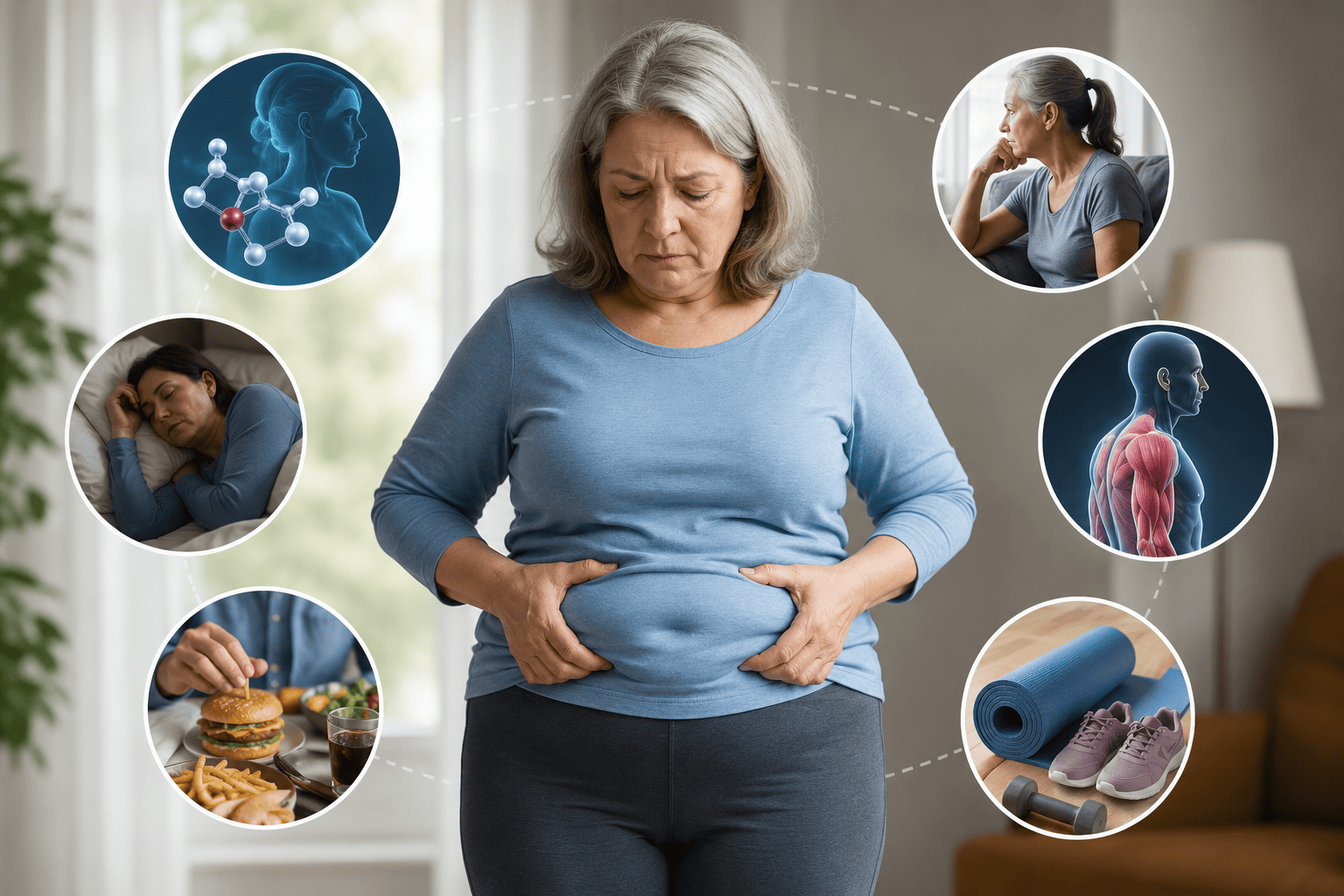
For many people, ageing is something to be feared. Wrinkles, aching joints, reduced energy and health concerns often dominate conversations about getting older. But healthy ageing is about much more than simply adding years to your life. It’s about maintaining the physical, mental and emotional wellbeing that allows you to continue enjoying the people, places and activities you love.
The reality is that everyone ages differently. Some people remain physically active well into their 70s and 80s, while others experience health challenges much earlier. Although genetics play a role, many aspects of healthy ageing are influenced by the choices we make every day.
Understanding what healthy ageing really means can help you focus on the habits that matter most rather than worrying about the number on your birthday cake.
At LiveBeyond100Years, we believe healthy ageing is about improving your quality of life, maintaining independence and supporting your wellbeing at every stage of life.
Healthy Ageing Is More Than Living Longer
Living a long life is a wonderful goal, but longevity alone doesn’t define healthy ageing.
Imagine reaching your 90th birthday but struggling with everyday activities that once brought you joy. Now imagine remaining active, independent and socially connected throughout later life. Both individuals have aged, but their experiences are very different.
Healthy ageing focuses on preserving your ability to move confidently, think clearly, stay socially engaged and enjoy meaningful experiences as you grow older.
Rather than simply increasing lifespan, the goal is to improve your health span the number of years you spend living in good health.
The Four Pillars of Healthy Ageing
Healthy ageing involves several interconnected areas of wellbeing. Looking after only one while neglecting the others rarely delivers lasting results.
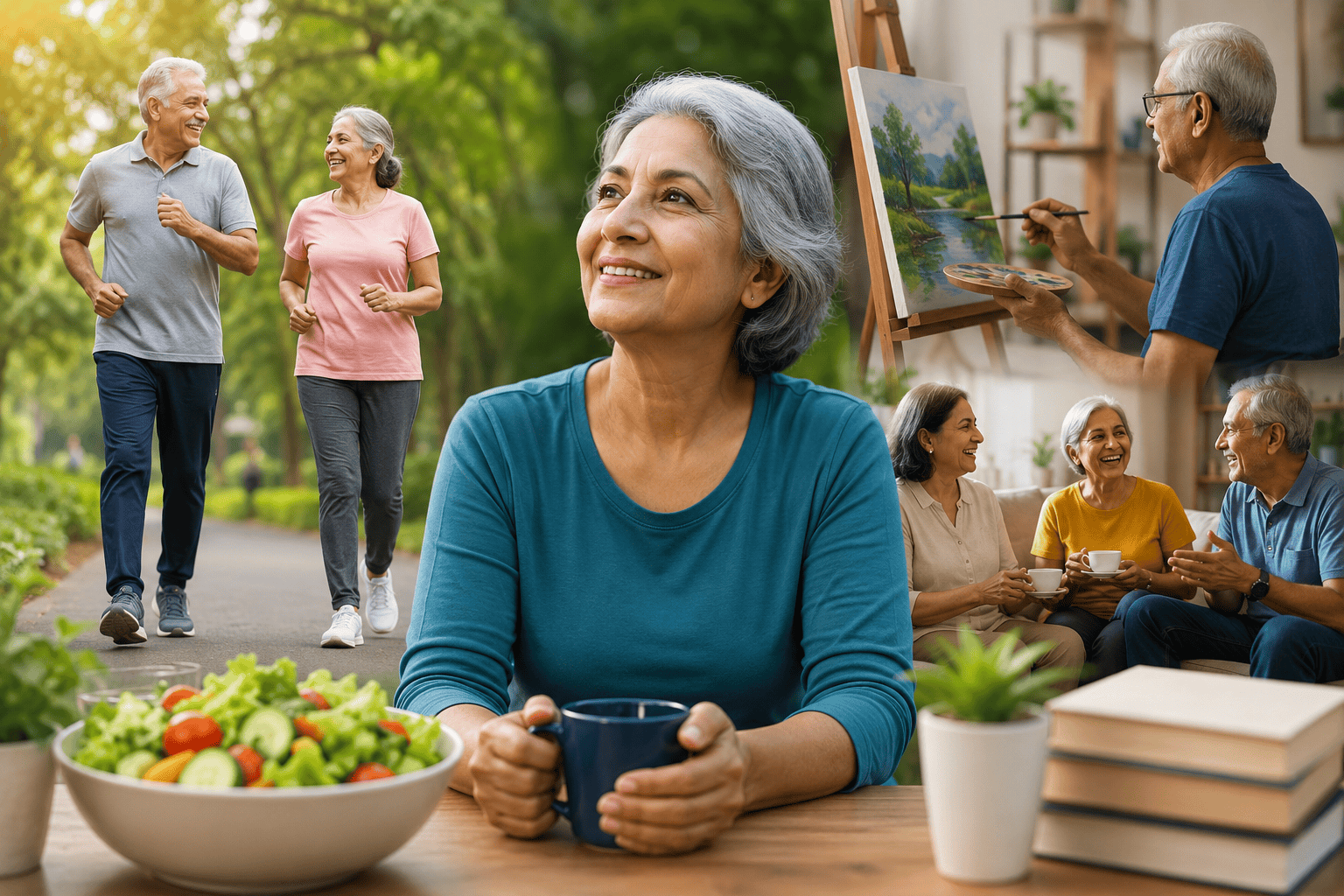
The four key pillars include physical health, mental wellbeing, social connection and preventive healthcare. Together, these areas help support independence and resilience throughout later life.
Simple habits that contribute to healthy ageing include:
- Staying physically active through regular movement and strength-building activities.
- Eating a balanced diet rich in vegetables, fruits, lean protein and whole grains.
- Prioritizing quality sleep and managing everyday stress effectively.
- Maintaining meaningful relationships with family, friends and the local community.
- Attending regular health check-ups and following recommended preventive care.
When these habits become part of everyday life, they create a strong foundation for healthier ageing.
Why Staying Active Matters?
One of the biggest misconceptions about ageing is that slowing down is inevitable.
While your body naturally changes over time, regular physical activity remains one of the most effective ways to protect your health.
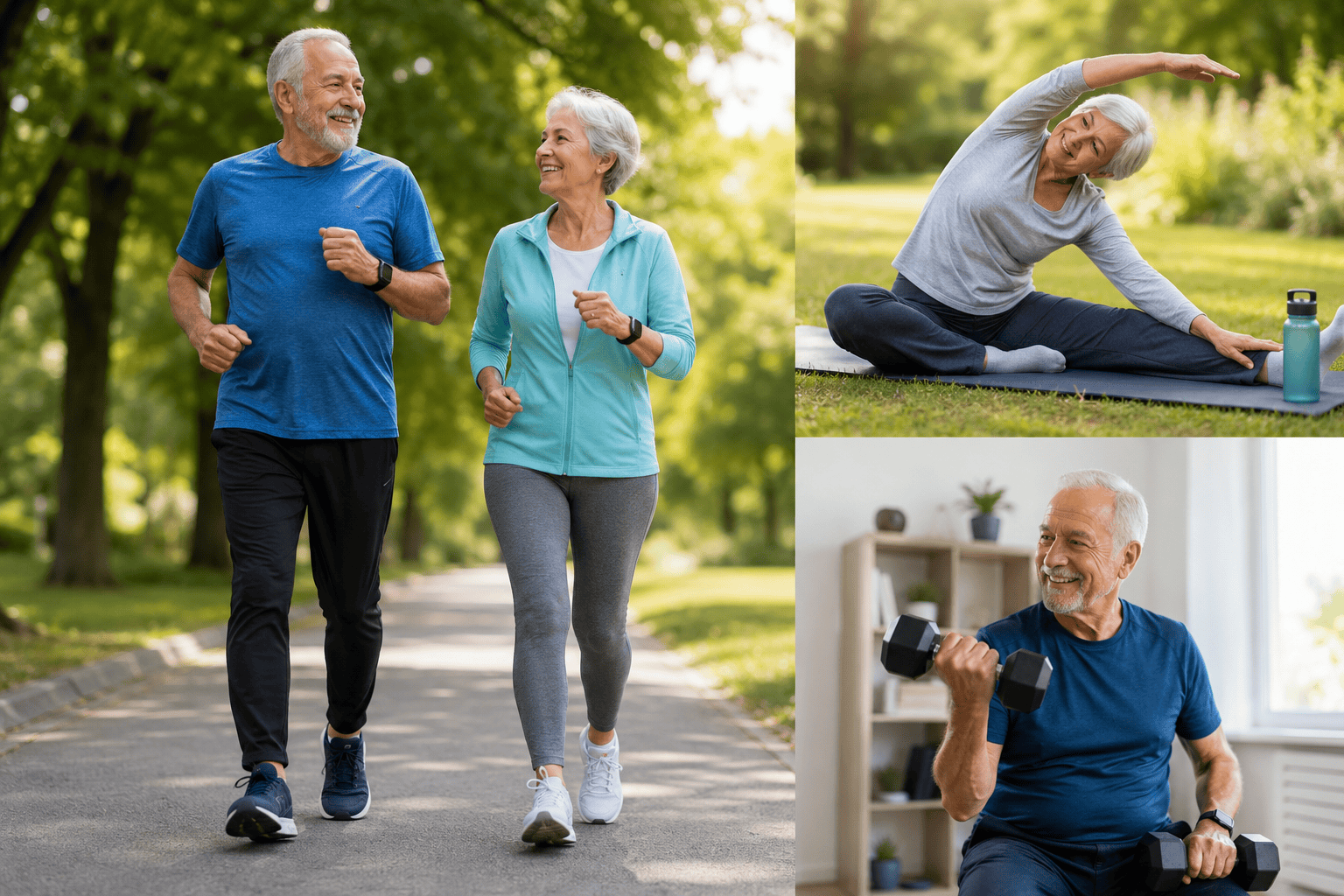
Walking, swimming, cycling, gardening and resistance exercises all help maintain muscle strength, improve balance and support cardiovascular health.
Remaining active also benefits mental wellbeing by reducing stress, improving mood and supporting better sleep.
The key isn’t finding the perfect exercise programmer it’s finding enjoyable ways to move consistently.
Nutrition Fuels Healthy Ageing
Food provides more than energy.
A balanced diet supplies the nutrients your body needs to maintain muscles, support bone health, protect your immune system and aid recovery.
Protein becomes increasingly important with age because it helps preserve muscle mass. Fruits and vegetables provide essential vitamins and antioxidants, while whole grains and healthy fats contribute to long-term health.
Rather than following restrictive diets, healthy ageing encourages balanced eating patterns that are realistic and sustainable.
Small improvements in nutrition often produce significant long-term benefits.
Looking After Your Mind Is Just as Important
Healthy ageing isn’t only about physical health.
Mental wellbeing has a powerful influence on how we experience later life.
Managing stress, staying socially connected and continuing to learn new skills all support cognitive health and emotional resilience.
Activities such as reading, volunteering, joining community groups or learning a new hobby can stimulate the brain while providing valuable social interaction.
Looking after emotional wellbeing helps people remain engaged, motivated and confident as they age.
A Real-Life Example
A recently retired 67-year-old initially viewed retirement as an opportunity to relax. However, within a year they noticed declining fitness, lower motivation and reduced social interaction.
Rather than accepting these changes, they joined a local walking group, started attending a weekly gardening club and began preparing healthier meals at home.
Over time, they reported improved fitness, stronger friendships and greater confidence in managing everyday life.
Their experience demonstrates that healthy ageing often comes from a series of small, consistent lifestyle choices rather than dramatic transformations.
Prevention Is Better Than Cure
Preventive healthcare plays a vital role in healthy ageing.
Regular health checks, recommended vaccinations and routine screenings help identify potential concerns before they become more serious.
Equally important is listening to your body.
Persistent fatigue, unexplained pain, sudden weight changes or reduced mobility shouldn’t automatically be dismissed as “just getting older.” Seeking medical advice early often leads to better outcomes.
Healthy ageing means taking a proactive approach to your health rather than waiting until problems arise.
Healthy Ageing Looks Different for Everyone
There is no universal definition of ageing well.
For one person, it may mean travelling and exploring new places. For another, it may involve playing with grandchildren, volunteering locally or continuing to work in a fulfilling career.
The important thing is maintaining the physical and mental ability to enjoy life that’s meaningful to you.
Healthy ageing isn’t about comparing yourself to others. It’s about making choices that support your own wellbeing, abilities and personal goals.
At LiveBeyond100Years, we encourage people to focus on progress rather than perfection. Every healthy habit-no matter how small contributes to a stronger, healthier future.
Frequently Asked Questions?
What is healthy ageing?
Healthy ageing refers to maintaining physical, mental and social wellbeing as you grow older, helping you remain active, independent and engaged in everyday life.
Can lifestyle choices influence healthy ageing?
Yes. Regular exercise, balanced nutrition, quality sleep, stress management and preventive healthcare all contribute to healthier ageing.
Is it too late to start living healthier?
No. Positive lifestyle changes can benefit people at almost any age, and even small improvements may enhance overall wellbeing.
Why is strength important as we age?
Maintaining muscle strength supports balance, mobility, independence and reduces the risk of falls and injuries.
What is the biggest misconception about ageing?
Many people believe declining health is inevitable. While ageing brings natural changes, healthy habits can significantly improve quality of life and help people remain active for longer.