Many people reach their 50s and notice something frustrating-their eating habits haven’t changed much, yet the number on the scales continues to rise. Clothes may feel tighter, energy levels may drop and losing even a few kilograms suddenly seems much harder than it was ten or twenty years ago.
If you’ve been asking yourself, “Why does weight gain happen after 50?“, you’re far from alone. While ageing naturally affects how the body stores and uses energy, gaining weight isn’t simply an unavoidable part of getting older. Understanding the reasons behind these changes can help you make informed lifestyle choices that support long-term health rather than focusing on quick-fix diets.
At LiveBeyond100Years, we believe healthy ageing is about building sustainable habits that improve your wellbeing, helping you feel stronger, healthier and more confident as the years go by.
Why Does Weight Gain Become More Common After 50?
Several natural changes begin to occur as we age, many of which influence body weight.
One of the biggest factors is a gradual reduction in muscle mass. Muscle burns more calories than body fat, even while you’re resting. As muscle mass decreases, your body’s calorie requirements also reduce slightly.
Hormonal changes can also influence appetite, body fat distribution and metabolism. Combined with reduced physical activity and increasingly sedentary lifestyles, maintaining a healthy weight often becomes more challenging than it was during younger adulthood.
However, these changes don’t mean healthy weight management is impossible. They simply mean your approach may need to evolve.
Lifestyle Often Plays a Bigger Role Than Age
Although ageing affects metabolism, lifestyle choices remain one of the biggest influences on body weight.
Many adults become less active during their 50s due to work commitments, caring responsibilities, retirement or long-term health conditions. At the same time, eating habits often remain unchanged despite lower energy requirements.
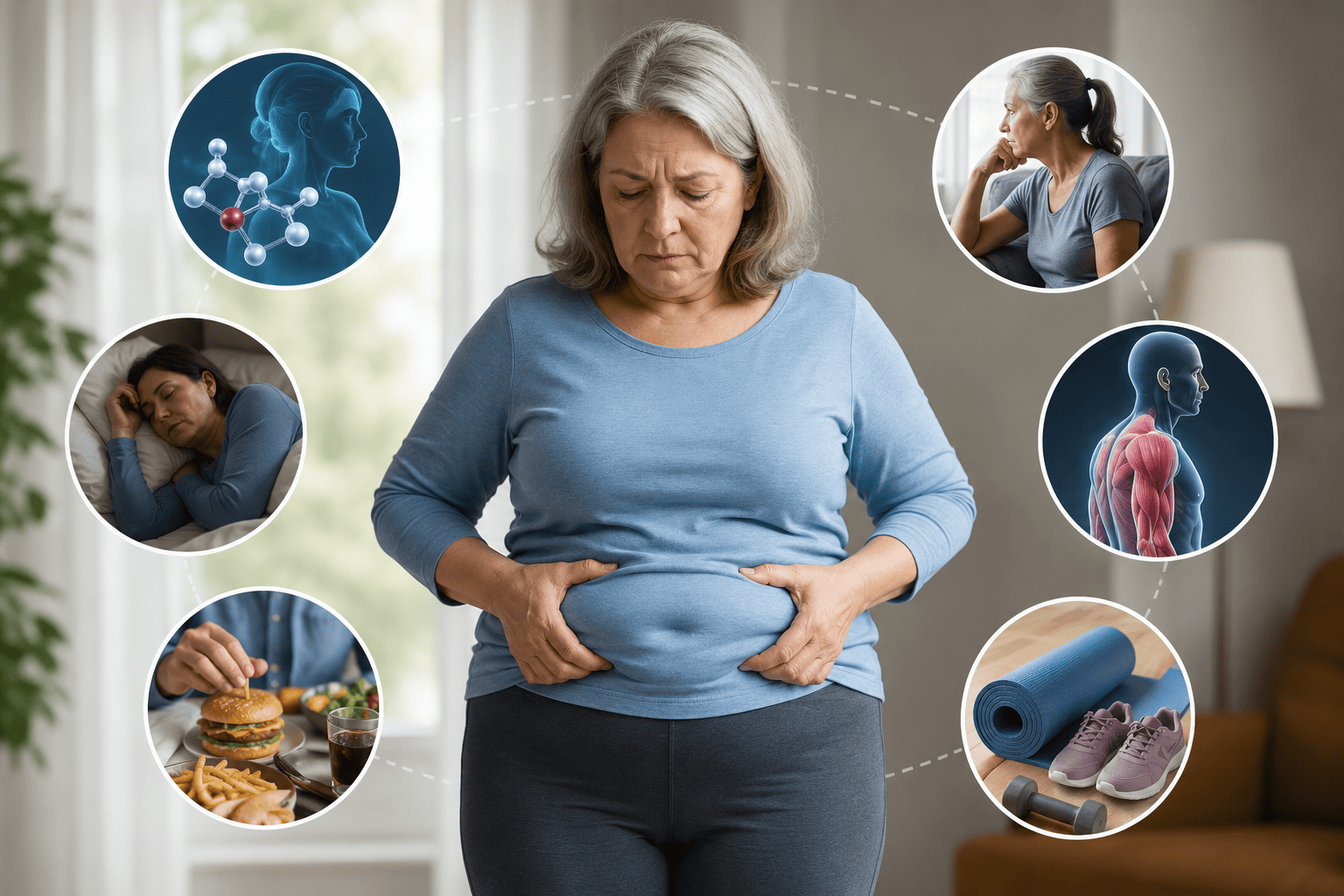
Several factors commonly contribute to weight gain after 50:
- Reduced muscle mass leading to a slower resting metabolism.
- Less daily movement due to sedentary work or retirement.
- Hormonal changes that influence body composition.
- Poor sleep affecting appetite-regulating hormones.
- Increased stress leading to emotional eating or reduced physical activity.
Recognizing these influences helps explain why maintaining a healthy weight may require different strategies than earlier in life.
Is a Slower Metabolism Really to Blame?
Many people blame metabolism entirely for weight gain, but the reality is more complex.
Research suggests metabolism does slow gradually with age, but not dramatically for most healthy adults. More often, reduced physical activity and declining muscle mass have a greater impact on daily calorie expenditure than metabolism alone.
This is encouraging because both movement and muscle strength can be improved regardless of age.
Rather than focusing solely on burning calories, maintaining muscle through regular strength exercises supports both mobility and long-term weight management.
Why Crash Diets Rarely Work?
When weight begins to increase, it’s tempting to look for rapid solutions.
Unfortunately, restrictive diets often produce short-term weight loss followed by weight regain. They may also contribute to further muscle loss, making long-term weight management even more difficult.
Healthy ageing is about nourishing your body rather than depriving it.
Balanced eating patterns that provide sufficient protein, fiber, healthy fats and whole foods are generally easier to maintain over time than highly restrictive diets.
Consistency almost always produces better results than extreme approaches.
Healthy Habits That Support Weight Management
Successful weight management after 50 isn’t about perfection. It’s about creating habits that support overall health while remaining realistic for everyday life.
Simple habits that make a difference include:
- Eating balanced meals with plenty of vegetables, lean protein and whole grains.
- Including strength-training exercises to help preserve muscle mass.
- Walking regularly or choosing enjoyable forms of physical activity.
- Prioritizing quality sleep to support hormone balance and recovery.
- Drinking enough water throughout the day and limiting sugary drinks.
These habits work together to improve energy, support metabolism and contribute to healthier body composition over time.
A Real-Life Example
A 56-year-old accountant noticed they had gained almost 10 kilograms over five years despite eating what they believed was a healthy diet.
After reviewing their lifestyle, they realized daily movement had fallen dramatically since working from home. Instead of following another restrictive diet, they introduced daily walks, two weekly resistance-training sessions and increased protein intake while reducing highly processed snacks.
Six months later, they had lost weight gradually while also feeling stronger, sleeping better and enjoying more energy throughout the day.
Their experience highlights an important lesson: long-term lifestyle improvements often deliver more sustainable results than short-term dieting.
Weight Management Is About More Than Appearance
Maintaining a healthy weight isn’t simply about fitting into smaller clothes.
Excess body weight may increase the risk of several long-term health conditions, including type 2 diabetes, cardiovascular disease, joint problems and reduced mobility.
Healthy weight management also improves energy levels, balance, confidence and overall quality of life.
By focusing on overall wellbeing rather than appearance alone, people often develop healthier relationships with food, exercise and ageing itself.
When Should You Seek Medical Advice?
Although gradual weight gain is common with ageing, sudden or unexplained weight changes deserve professional assessment.
Likewise, if you’re finding it unusually difficult to manage your weight despite healthy eating and regular activity, it may be helpful to discuss this with a healthcare professional.
Conditions such as thyroid disorders, certain medications, hormonal changes or other underlying health issues can all influence body weight.
Receiving appropriate medical advice helps ensure any underlying causes are identified and managed effectively.
Healthy Ageing Is a Long-Term Journey
There is no perfect weight that guarantees good health.
Instead, healthy ageing focuses on maintaining strength, mobility, independence and overall wellbeing throughout later life.
Weight management is simply one part of that bigger picture.
At LiveBeyond100Years, we encourage realistic, evidence-based lifestyle changes that support lasting health rather than temporary results. Every nutritious meal, every walk and every positive habit contributes towards a healthier future.
Frequently Asked Questions?
Why is it harder to lose weight after 50?
Age-related muscle loss, hormonal changes, reduced physical activity and lifestyle factors all contribute to making weight management more challenging.
Can strength training help with weight loss?
Yes. Strength training helps preserve muscle mass, which supports metabolism while improving strength and mobility.
Should I eat fewer calories after 50?
Nutritional needs vary between individuals. Rather than dramatically reducing calories, focus on balanced meals and appropriate portion sizes.
Is weight gain after 50 inevitable?
No. Although ageing influences body composition, healthy eating, regular physical activity and strength training can help maintain a healthy weight.
When should I seek medical advice about weight gain?
If weight changes are sudden, unexplained or accompanied by other concerning symptoms, it’s advisable to speak with a qualified healthcare professional.